

Recreational · Platform MTO
MTOclassic
The legendary open-cockpit tandem gyroplane — the pure joy of flying.
A classic that still delights
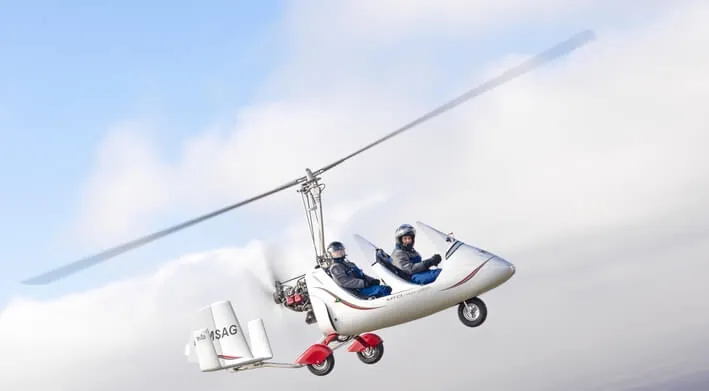
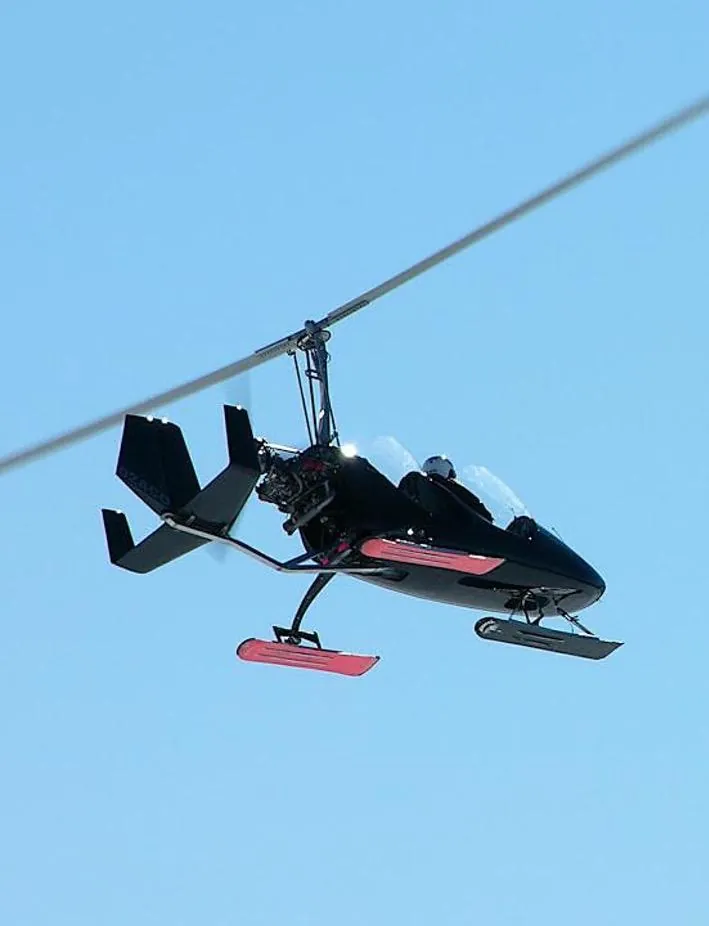
The ubiquitous MTOsport has been the mainstay of the AutoGyro fleet since production started in 2003. Now renamed the MTOclassic to distinguish it from the later 2017 model, demand for this much-loved machine remains very strong around the world — even after some 20 years of production.
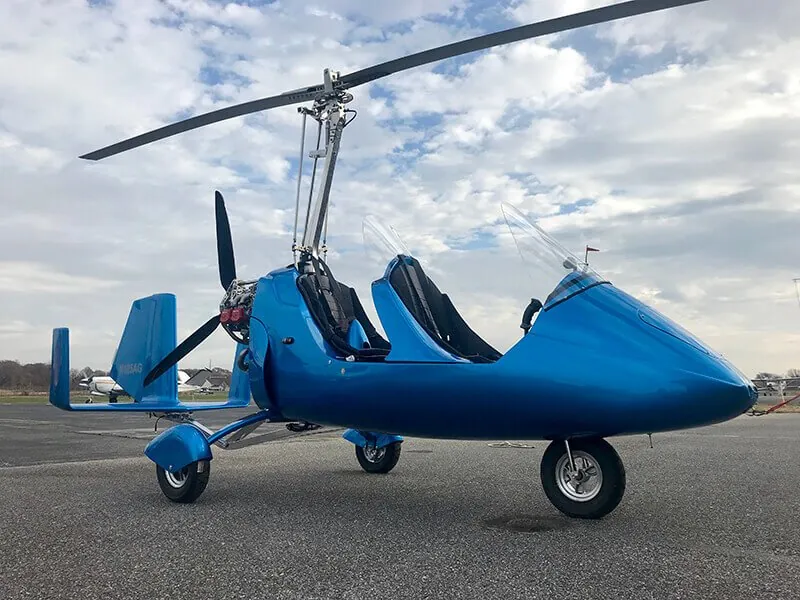
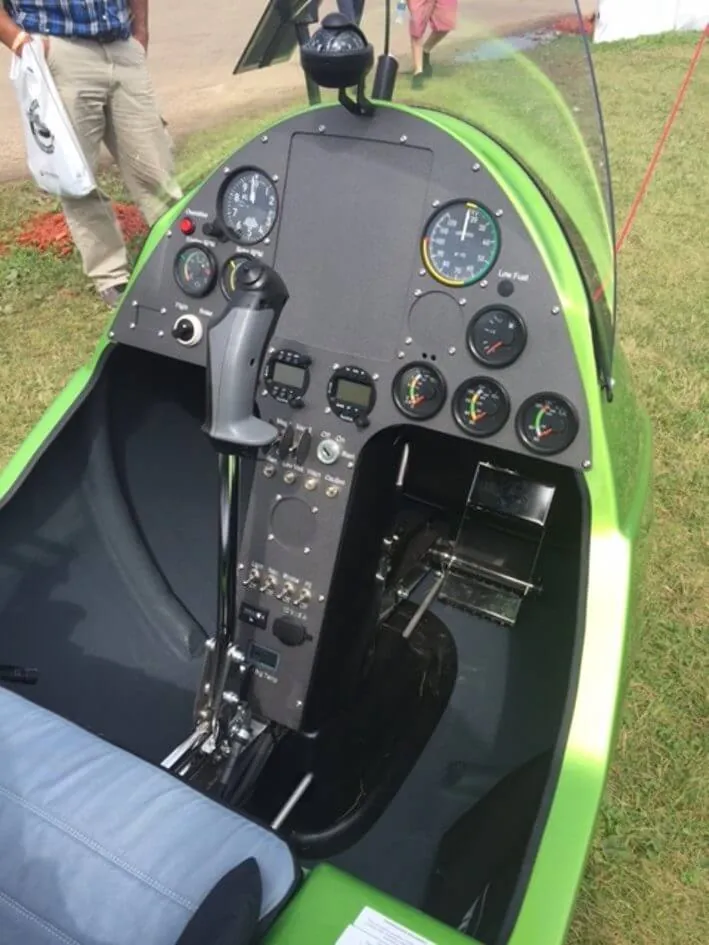
The tandem-seat MTOsport is probably the best-known gyroplane in the world. With thousands in service, most gyroplane flight schools own one, operate one or have used one at some point. It looks great, is reliable and easy to maintain — but above all, it is amazing fun to fly. Imagine the enjoyment of flying in the elements, high in the air. Here is your chariot to take you there.
Simple, rugged, easy to maintain
The rugged stainless-steel airframe withstands years of service, and because no paint is needed, it is incredibly easy to inspect even after thousands of hours and decades in service. Maintenance is easy, with no cowlings to remove and easy-service Rotax 912 or 914 series engines.
Aluminium rotors are chosen for robustness and reliability — composite rotors tend to suffer in high and low temperatures and from rain erosion — so they cut through whatever the weather throws at them.
Safety and worldwide recognition
AutoGyro is rightly proud of its safety features: well-tested safety harnesses and multiple safety systems reflect years of experience. The MTOclassic holds approvals in many countries, both as a factory-built and as a kit-built aircraft. Paperwork aside, it is an established, internationally acknowledged safe aircraft — which is why the Turkish Jandarma chose AutoGyro as the supplier for its gyroplane fleet.
Whether you fly for leisure or have a specific purpose in mind, such as running a flight school, AutoGyro offers a wide range of packages tailored to your needs. Tell us about your dreams and we will help make them a reality.
Technical specifications
| Parameter | Value |
|---|---|
| Dimensions: L × W × H (excluding rotor) | 5.1 × 1.9 × 2.7 m (16.7 × 6.2 × 8.9 ft) |
| Rotor diameter | 8.4 m / 8.6 m / 8.8 m (27.6 / 28.2 / 28.9 ft) |
| Empty weight | 265 kg (585 lb) |
| MTOM (maximum take-off mass) | 450–560 kg (992–1,235 lb) |
| Engine | Rotax 912 ULS / 914 UL |
| Take-off distance | 70–110 m (230–360 ft) |
| Take-off distance to clear a 15 m obstacle | 250–260 m (820–850 ft) |
| Max. endurance | up to 4.5 h ¹ |
| Max. range | up to 550 km (340 mi) ² |
| Cruise speed | 120 km/h (75 mph) |
| Max. speed (VNE) | 195 km/h (120 mph) |
| Fuel capacity | 65 L (17 US gal) |
| Complies with | BUT (Germany), BCAR Section T (UK), ASRA (Australia), US Experimental Category |
- ¹ Typical aircraft configuration: 1 pilot (80 kg), 40 L fuel, 2,000 ft MSL.
- ² Typical aircraft configuration: 1 pilot (80 kg), full tank, 2,000 ft MSL.
- Figures reflect basic aircraft capability. Actual performance and limitations depend on national airworthiness requirements — ask us for details.
Pilot Operating Handbook (POH) — MTOsport 2010 (opens the manufacturer's website)
Gallery






Manufacturer's material: AutoGyro GmbH, Hildesheim.


Let's talk about your mission
We will match the model and equipment to your needs — from recreational flying to public-service missions.